Green Energy Made Easy
Switch and save in only 5 minutes!
Thank you! Your submission has been received!
Oops! Something went wrong while submitting the form.
Energy
By
Ostrom Team
7.4.2026

5
Min.
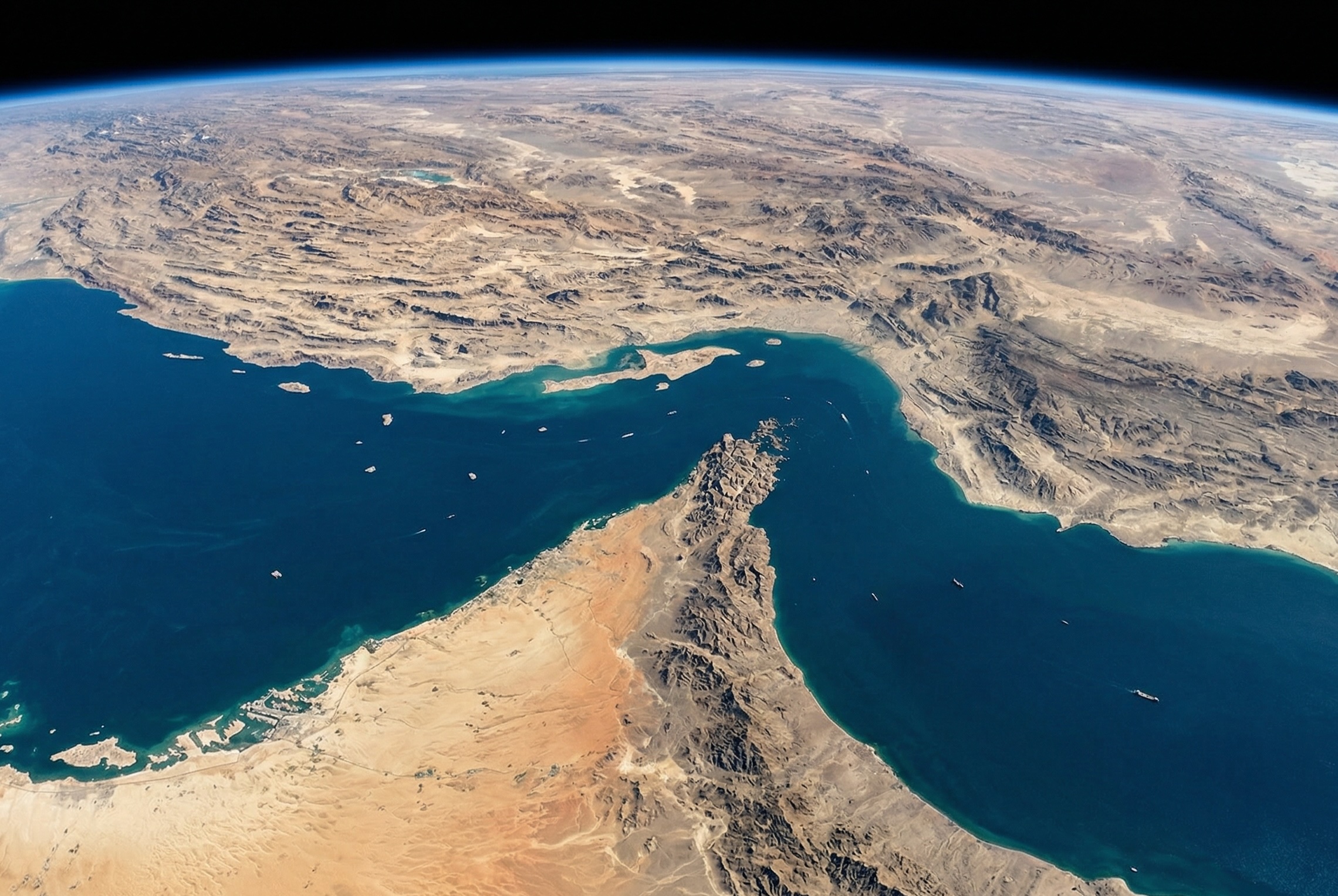
A conflict far from Germany can still affect your energy costs at home. The reason is simple: oil and gas markets are global. When supply is disrupted or shipping routes become risky, wholesale energy prices often rise first, and electricity costs may follow later.
At the end of February, the United States and Israel struck targets in Iran. Iran responded militarily. Soon after, risks also rose around key shipping routes in the Middle East.
Why this matters: The Strait of Hormuz carries around 25% of world seaborne oil trade and 19% of global LNG trade. If conflict disrupts traffic there, or even raises the risk of closure, markets react quickly and prices can increase. (Source: IEA)
Oil rose sharply after the escalation began. You will often see the term Brent here. Brent is one of the main global benchmark prices for crude oil.
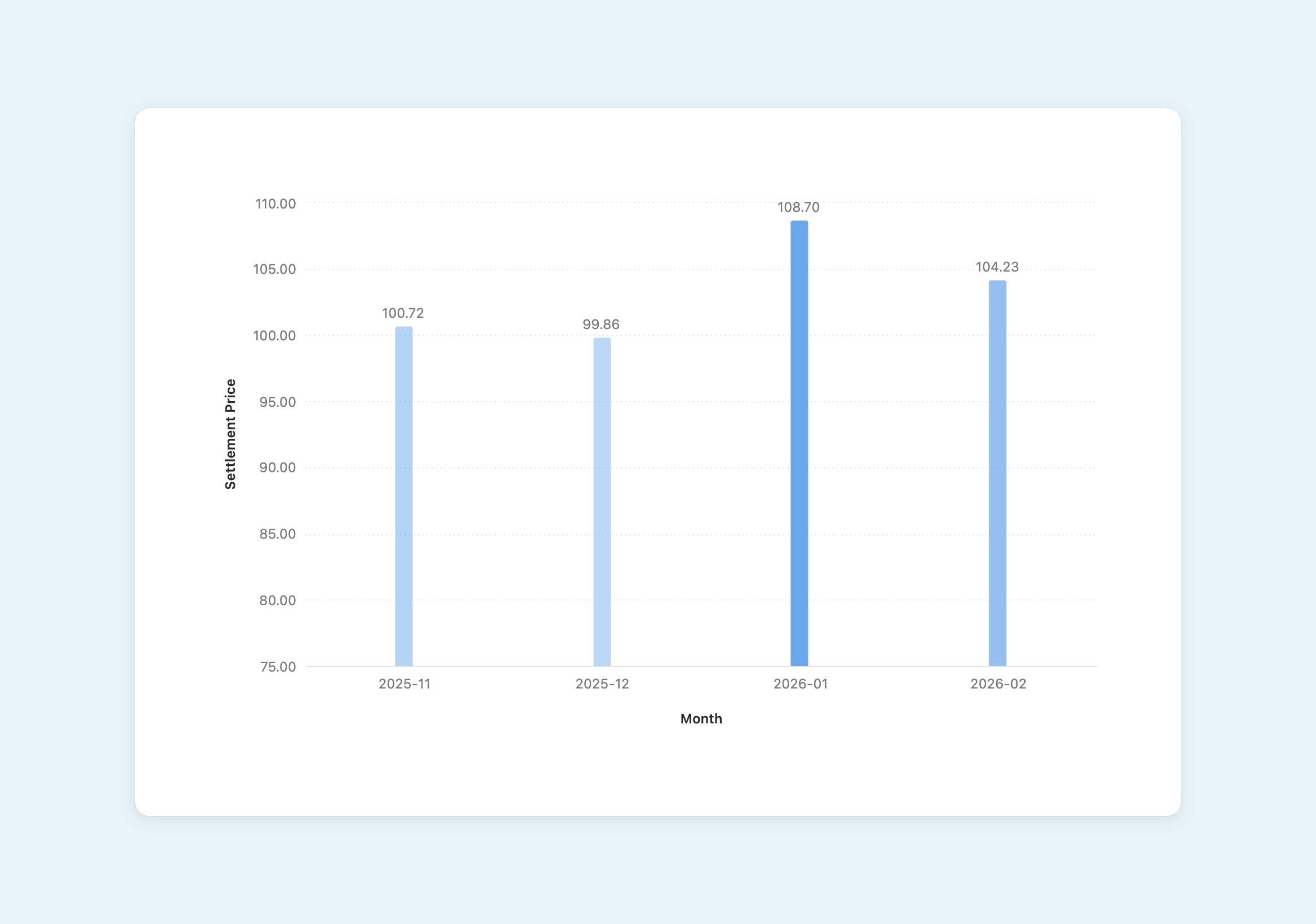
European gas prices also surged sharply. The TTF, Europe's most important benchmark gas price, jumped by around 35% on the first trading day after the attacks began, eventually rising from around €32/MWh before the conflict to over €60/MWh in early March, as traders priced in tighter supply and higher risks.
For most customers, what matters is not the exact peak on a single day, but the overall trend. And that trend was clear: oil prices jumped, gas prices rose significantly, and electricity prices became more volatile.
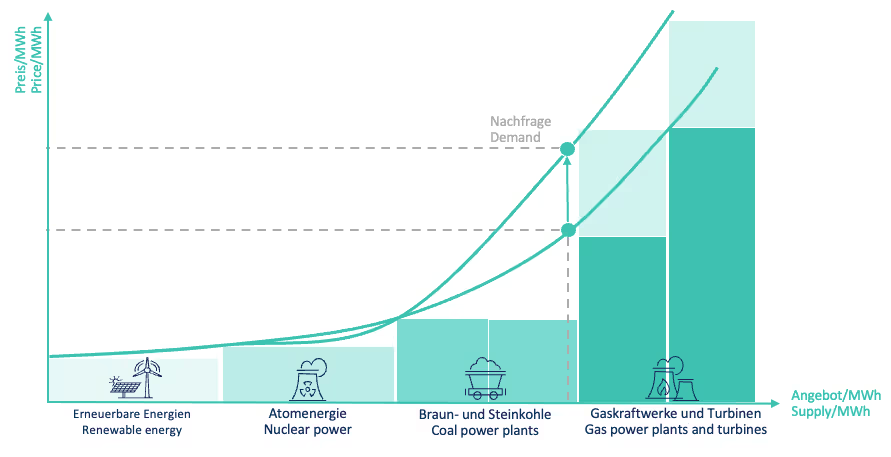
Electricity in Europe is priced through the merit order system. Power comes from different sources like wind, solar, coal and gas, and they are dispatched in order of cost, from cheapest to most expensive. The price for all electricity is set by the most expensive power plant needed to meet demand. This is called the clearing price.
If that last plant is often gas-fired, expensive gas can lift the price for the whole market. That is why households can be affected even if they do not heat with gas.
Not every wholesale price spike shows up immediately on every electricity bill.
In Germany, grid fees (Netzentgelte) are fees for using and maintaining the electricity grid. They are a separate part of the bill from the wholesale power price.
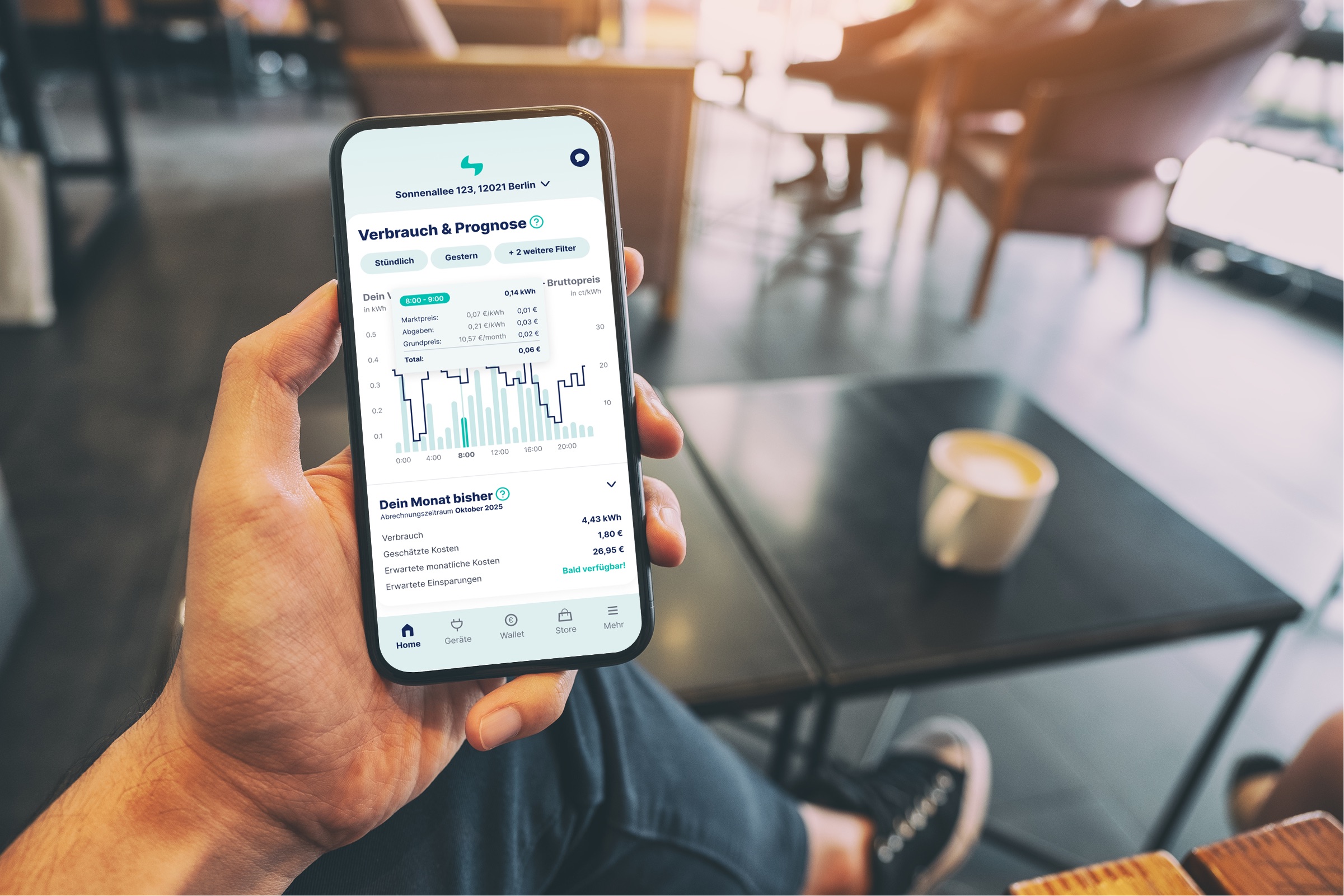
With a dynamic tariff, your price tracks the EPEX Spot day-ahead market which is tomorrow’s hourly wholesale rates instead of a fixed per-kWh rate. That means you can shift flexible loads like your dishwasher, washing machine, or EV charging into cheaper hours and capture real savings, while a fixed tariff simply smooths out the volatility for you.
The situation highlights how dependent Europe still is on global oil and gas markets. As long as gas plays a key role in electricity pricing, global conflicts can affect energy costs at home.
The long-term answer is clear: expanding renewable energy like wind and solar can reduce this dependency and make prices more stable.






.avif)